Skilled Carpenter for Bespoke Woodwork Solutions
An experienced carpenter performs a crucial role in custom woodwork services. Their expertise guarantees that projects are completed with precision and innovation. From custom cabinetry to distinctive shelving, these professionals transform ideas into practical pieces. Understanding the characteristics that define a proficient carpenter can significantly influence the outcome of a project. Understanding how to successfully collaborate and plan finances is just as important. What essential factors should one consider when starting such a custom endeavor?
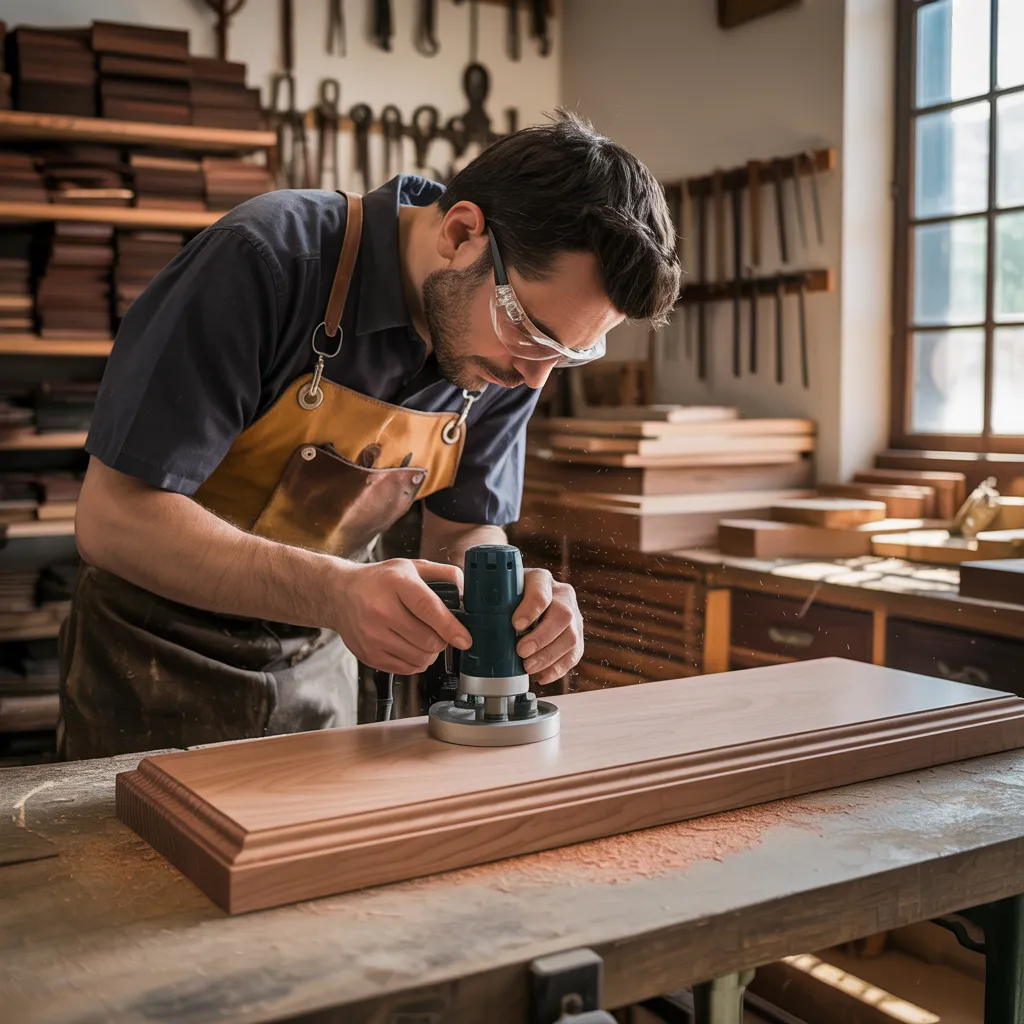
Why Select a Experienced Carpenter for Custom Woodwork?
Hiring a skilled carpenter for bespoke woodworking can greatly enhance the standard and visual appeal of a project. Woodworking proficiency ensures that each piece is crafted with accuracy, meticulous attention to detail, and a thorough knowledge of materials. Experienced woodworkers provide the essential tools and techniques to transform concepts into functional creations, whether it involves cabinetry, furniture, or decorative components. Their skill allows them to anticipate challenges and deliver effective solutions, culminating in a finished product that matches the client’s vision. Additionally, a competent carpenter can share insights about wood varieties, finishes, and design styles, enriching the overall outcome. The investment in a seasoned woodworker often results in exceptional quality that endures over time, offering both beauty and strength. Ultimately, hiring a skilled carpenter is critical for achieving top-quality custom woodwork that uplifts any space.
Browse Custom Wood Selections to Transform Your Environment
Custom woodwork choices deliver a broad array of opportunities for enhancing any space, enabling homeowners to adapt their environments with unique designs. From custom-made cabinetry to ornate moldings, custom woodwork can transform ordinary rooms into exceptional ones. tailored solutions such as built-in shelves, decorative mantels, and custom furniture can optimize usefulness while adding visual appeal.
Homeowners can select from multiple wood types, finishes, and styles to design a unified look that enhances their existing decor. The flexibility of wood allows for both contemporary and classic designs, catering to diverse tastes. Additionally, bespoke wood craftsmanship can meet particular requirements, such as maximizing storage in small spaces or creating unique focal points in expansive rooms.
Essential Qualities to Seek in Your Wood Worker
When initiating a custom woodwork assignment, it is critical to find a carpenter who possesses key qualities that ensure both quality craftsmanship and clear communication. Above all, skill is vital; a seasoned carpenter brings valuable skills and insights that can enhance the project. Meticulous precision is another key quality, as precision can greatly impact the final result. Moreover, creativity is important, enabling the carpenter to propose innovative solutions that align with the client's vision.
Reliability serves as a key factor; a dependable carpenter adheres to schedules and adheres to timelines, ensuring view this guide a smooth workflow. Excellent interpersonal abilities are crucial, as they enable clear conversations about ideas, expectations, and potential challenges. Finally, a good carpenter should show a dedication to customer satisfaction, focusing on the client's needs and preferences throughout the project. By identifying these qualities, clients can achieve a successful partnership and exceptional custom woodwork outcomes.
What's the Right Approach to Work Alongside Your Carpenter on Creative Plans?
Effective cooperation with a carpenter starts with clearly sharing creative ideas. This open communication enables for a fruitful sharing of ideas, where both parties can contribute imaginatively. Embracing the carpenter's knowledge can lead in innovative solutions that improve the overall project.
Present Your Vision
How can homeowners ensure their design concepts are properly conveyed to their carpenter? Direct communication is essential for effective partnership. Homeowners should begin by preparing visual aids, such as drawings, images, or mood boards, to demonstrate their ideas. This helps close any differences between imagination and execution. Additionally, reviewing exact measurements, materials, and final touches guarantees that anticipations align. Regular check-ins during the design process encourage an transparent conversation, allowing for modifications and explanations as required. Homeowners should also be receptive to input, as skilled craftspeople often possess important knowledge from their background. By creating a teamwork environment, homeowners can ensure their vision is not only shared but also understood and realized effectively by their experienced woodworker.
Welcome Original Suggestions
Partnering with a craftsperson paves the way for inventive structural approaches that can improve any project. Successful collaboration depends on direct conversation, where clients convey their objectives and style preferences while remaining open-minded to the carpenter's knowledge. Providing rough drawings, visual boards, or reference images can supply meaningful perspective, enabling the carpenter to perceive the intended look and usability.
Furthermore, participating in brainstorming sessions promotes a creative dialogue, where both parties can explore unique ideas and alternatives. The carpenter's expertise can lead to practical suggestions that enhance the original vision, guaranteeing the final product is both beautiful and functional. Ultimately, embracing creative input transforms a simple project into a personalized masterpiece, showcasing the distinct style and needs of the client.
Approach to Calculating costs for Your Handcrafted wood Project?
What considerations should one take into account when budgeting for a custom woodwork project? First, the selection of resources notably impacts costs. Premium wood, hardware, and finishes can elevate the project's price. Second, the intricacy of the design should be evaluated; detailed patterns or custom features demand more time and skill, which can raise labor costs.
Additionally, the scale of the project plays an crucial role; bigger pieces inherently demand more materials and labor. One must also consider potential extra expenses, such as permits or installation fees.
Finally, adding a buffer for unforeseen expenses guarantees the project stays within budget. By thoroughly assessing these factors, one can create a practical financial plan that represents both the desired quality and the constraints of available funds. Planning ahead and working with a skilled carpenter can additionally help in refining the budget, enabling a successful custom woodwork project.
The Long-Term Value of Tailored Woodwork Workmanship
Committing to custom woodwork exceeds upfront spending, presenting considerable enduring gains that can enhance both aesthetics and functionality in a space. Masterful workmanship pledges durability, often superseding the longevity of commercially produced substitutes. Individualized creations are structured to suit distinct requirements, optimizing space and advancing orderliness, which can lead to stronger property appraisal.
Additionally, the unique character of handcrafted wood elements provides a personalized touch that elevates the overall ambiance of a business space or residence. This bespoke quality often captivates clients and can enable a property be noticed in the market.
Additionally, bespoke woodwork allows the use of sustainable materials, fostering eco-conscious living. Clients often discover that the investment pays off through decreased maintenance costs and the enduring appeal of bespoke items. Fundamentally, bespoke woodwork is not just a buy; it's a commitment to excellence and individuality that can yield notable returns over time.
Frequently Asked Questions
Which Types of Wood Work Best for Bespoke Projects?
Hardwoods including oak, maple, and cherry are outstanding for custom projects because of their resilience and aesthetic appeal. Softwoods like pine and cedar are equally well-liked for their workability and economical value across various applications.
How Long Will a Personalized Woodwork Project Generally Require?
A custom woodwork project typically takes anywhere from a few days to several weeks, depending on the level of complexity, choice of materials, and skilled labor needed. Schedules may fluctuate significantly based on the project's specific requirements and the woodworker's schedule.
May I examine instances of Your Earlier Work?
Past projects samples are obtainable via a portfolio showcasing various pieces. Interested parties can peruse visuals and write-ups that accentuate craftsmanship and vision, demonstrating the breadth and excellence of accomplished bespoke woodwork efforts.
Can You Offer Warranties on Your Custom Woodwork?
Yes, warranties are offered on bespoke wood projects, guaranteeing superior quality and long-lasting performance. This dedication reflects trust in craftsmanship, allowing clients to have peace of mind in their investment, understanding that any issues will be resolved promptly.
How Do You Handle Modifications During the Project?
Project changes are handled through open dialogue and joint effort. The carpenter proposes modifications to the client, verifying all alterations stay true to the original vision while meeting any new requests or requirements in an effective manner.